
Key Takeaways
- Credentialed entry decides who gets inside and logs every visit in real time.
- Key cards, PIN codes, and mobile passes replace easy-to-copy metal keys.
- Cages, loading bays, and server rooms need the tightest entry rules.
- Digital logs show exactly who opened each entrance and when.
- Guests get temporary passes that expire the moment their visit ends.
Every year, valuable stock walks out of storage sites through entrances nobody was watching. A copied key, a propped-open exit, or a stranger trailing a delivery driver is often all it takes. Smart facilities close these gaps with credentialed entry that decides who comes in, tracks where they go, and records every movement.
That is the real value of access control for warehouses across New York, where operations rarely pause day or night. The sharpest managers treat access control as the first layer in a facility-wide protection plan, not a fix bolted on after a loss.
How does warehouse access control work?
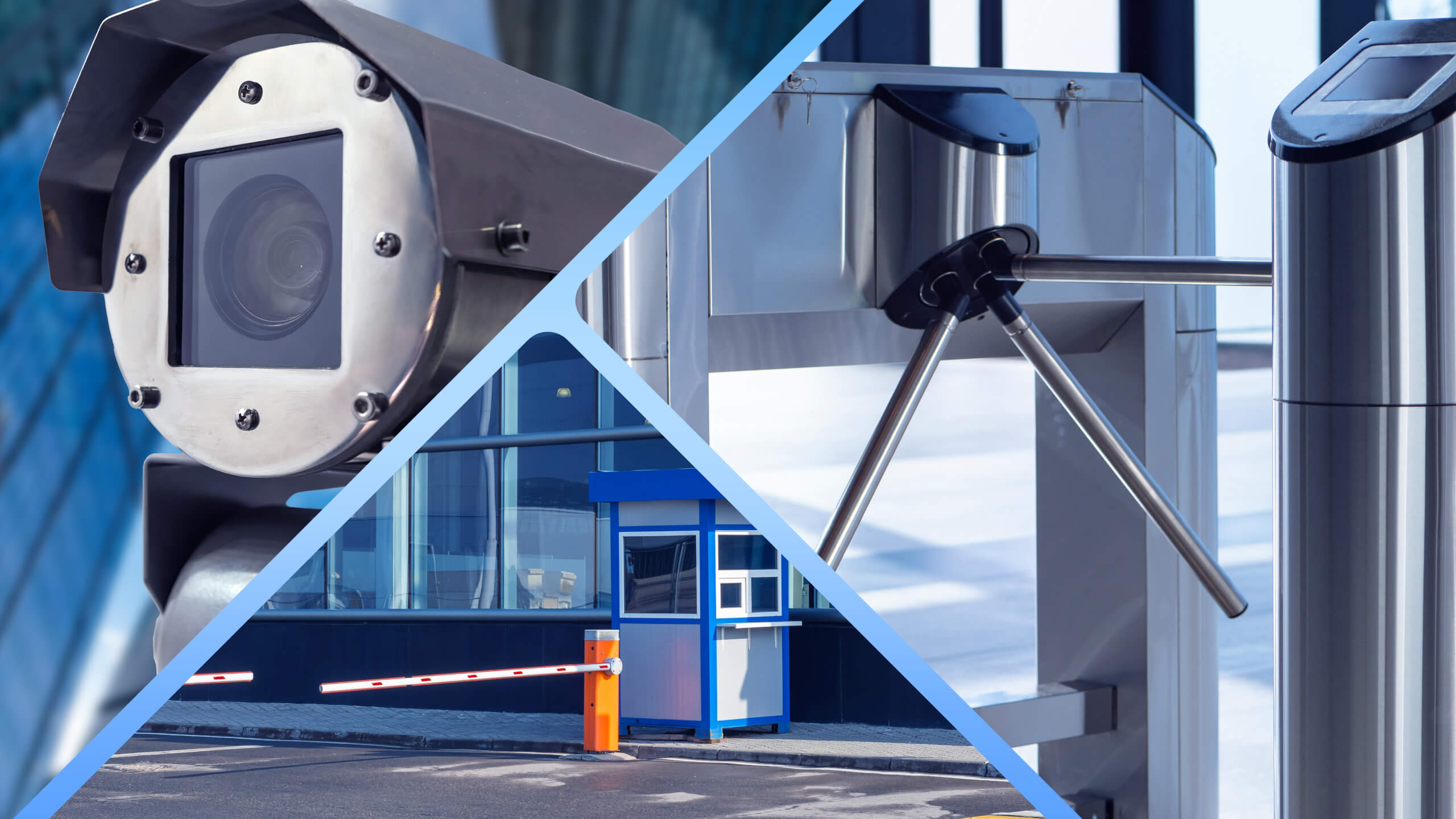
Warehouse door access control works by checking a person’s credentials before releasing an entrance, gate, or turnstile. The setup lets approved staff through and stops everyone else automatically. A few core parts make this possible.
What are the main components?
The setup relies on several pieces working together:
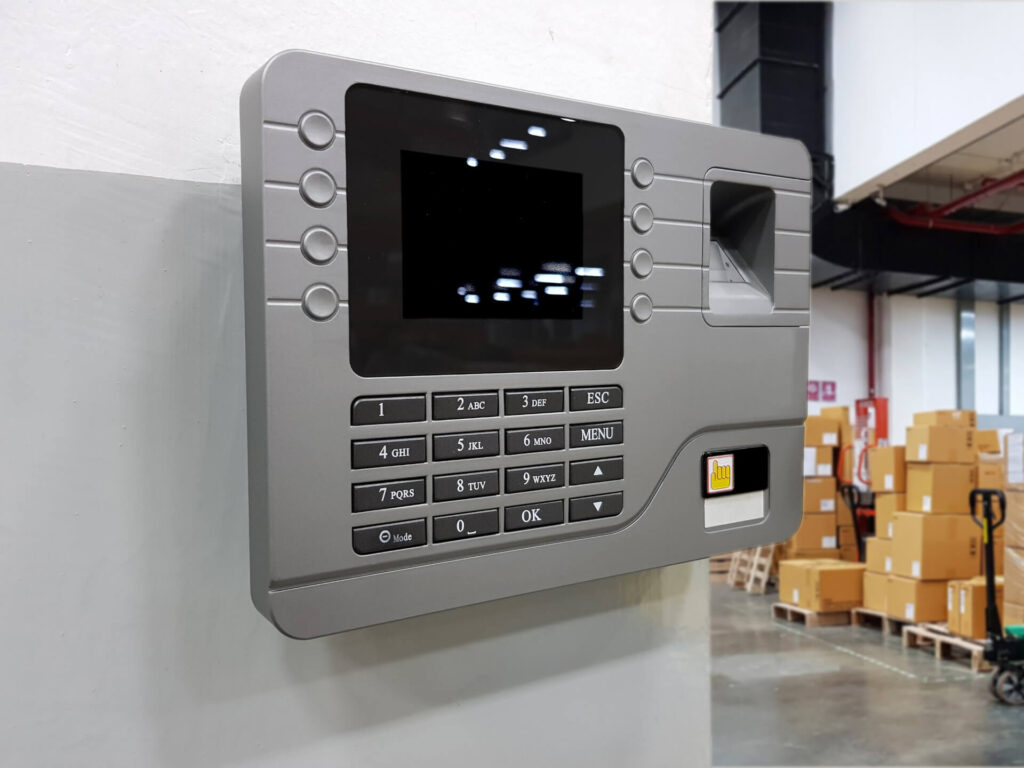
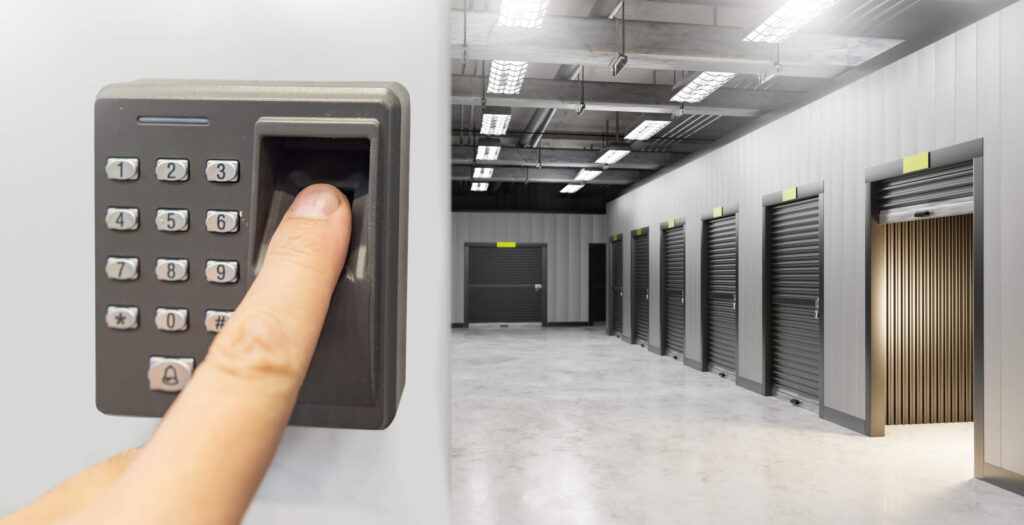
- Credentials such as key cards, fobs, PIN codes, mobile passes, or fingerprints
- Readers mounted at each entry point that scan those credentials
- A central hub that decides whether to release a lock based on stored permissions
- Management software where administrators set the rules and review activity
- Electronic locks that open only on approval
Permissions can change in seconds. When an employee leaves, an administrator revokes their credentials instantly. There is no need to swap locks or chase down old keys.
Why do warehouses need access control?
Storage facilities need it because they hold valuable inventory, run long hours, and see constant foot traffic. Traditional keys cannot keep pace with staff turnover, rotating shifts, and busy loading bays. Several pressures make controlled entry essential:
- Valuable stock: Electronics, pharmaceuticals, and consumer goods attract organized theft rings.
- Shift complexity: Different teams need to get in at different hours, which keys handle poorly.
- Accountability: Digital logs show who entered each zone, supporting investigations and audits.
- Safety compliance: Restricting hazardous or heavy-machinery areas protects untrained staff.
Access control for warehouses also works hand in hand with security cameras, giving managers both a gatekeeper and a visual record. Together they turn a passive building into a monitored, accountable space.
What areas of a warehouse should have restricted access?
The highest-risk zones deserve the tightest entry rules, starting with anywhere that stores valuable, sensitive, or hazardous items. Not every square foot needs the same protection. Focus on tight limits in these areas:
- Valuable storage: Cages or rooms holding electronics, pharmaceuticals, or small high-cost goods.
- Loading docks: A frequent theft point, where goods change hands and entrances stay open.
- Server and IT rooms: Network hardware that keeps the whole operation running.
- Inventory and records offices: Areas with financial data and stock-tracking software.
- Hazardous material stores: Chemicals or equipment that untrained staff should never handle.
Map these zones before you buy any hardware, since the layout decides where the tightest rules belong. Strong warehouse door access control keeps those same openings sealed to anyone without the right credentials. The result is a facility where the most valuable corners stay locked to everyone but the few who need them.
How can access control reduce warehouse theft?
Access control for warehouses reduces cargo theft by removing easy opportunities, limiting who reaches valuable stock, and logging every visit. Most losses are not dramatic. They come from familiar faces exploiting weak oversight during ordinary shifts. Managed entry counters this in several ways:
- Fewer weak spots: Locked, credentialed entrances stop casual visits to the most valuable areas.
- Individual accountability: Each person uses a unique credential, so activity traces back to one identity.
- Faster response: Alerts flag forced entrances or after-hours attempts immediately.
- Deterrence: Staff behaves differently when they know the setup records every movement.
Cargo theft is serious enough that federal law enforcement treats it as organized crime affecting freight and distribution facilities. Industry trackers consistently rank distribution centers and storage sites among the most targeted for this kind of loss. That risk climbs during holidays and reduced-staffing periods, when fewer people watch the floor.
Surveillance camera systems turn that data into evidence when something goes wrong. If stock disappears, managers match the logs against footage to see who was present. Robust warehouse door access control makes those records airtight, since every credential ties to one person. Layering intrusion alarms alongside access control adds a further barrier after hours.
How do you manage warehouse visitor access?
You handle visitors by issuing temporary credentials, limiting where they can go, and logging their time on site. Drivers, contractors, and auditors all need to get in without roaming the whole building. A simple process keeps visits in check:
- Pre-register expected guests. Add their details before arrival so entry moves quickly.
- Verify identity at the gate. A quick check over an intercom before the gate opens confirms who is arriving.
- Issue a temporary credential. Time-limited passes expire automatically after the visit.
- Restrict the route. Limit guest passes to reception, meeting rooms, or a single dock.
- Log every entry and exit. Keep a digital record of who came, when, and for how long.
Escort rules add another safeguard for sensitive areas. Well-planned access control for warehouses extends to visitors too, so a driver dropping a pallet never has a reason to reach a storage cage. Set the rules once, and every arrival follows the same path in and out. This keeps loading bays and stockrooms off-limits to anyone without a real reason to be there.
Who provides expert warehouse access control system installation near me in New York?
Securing a facility the right way takes more than good hardware. It takes a partner who has seen how New York operations actually run, shift after shift and dock after dock. That is where ADR Security comes in. We are a second-generation company, with 80-plus years of industry know-how and partnership with leading manufacturers. We utilize next-gen equipment, such as Brivo access control systems, to ensure nothing falls through the cracks.
Our certified, licensed technicians build every setup around your floor plan, not a template. We start with a walkthrough of your site, map each entry point, and tailor permissions to your people and your hours. Then we back the work with industry-leading warranties and stay on call long after the crew leaves. That’s what sets our warehouse access control system installation apart from a rushed, off-the-shelf job. Our dedication to quality keeps names like McDonald’s and Columbia University with us year after year.
Whether your facility is located near the loading corridors of Hunts Point or elsewhere in the city, you can count on us for reliable access control for warehouses. Every setup is designed around how your operations actually run. When you want to see where your site really stands, book a walkthrough with us, and we will map it out for you. Reach out today!


