
Key Takeaways
- Assess entry points, windows, and blind spots before buying.
- Match your new security system to the size and layout of your property.
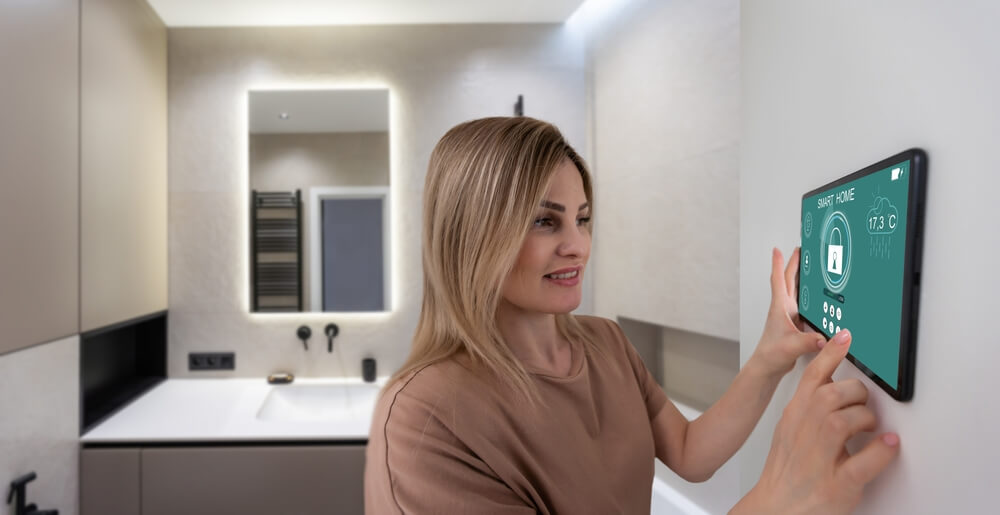
- Prioritize remote access and real-time mobile alerts.
- Combine cameras, alarms, and access control on one platform.
- Upgrade outdated equipment before coverage gaps grow.
Most property owners assume that any alarm and camera setup will keep their building safe. That assumption is where expensive mistakes begin. The gap between a basic package and a properly matched system often only shows up after an incident.
Finding the right security systems in New York means looking beyond the sales pitch and understanding what your property actually demands. Evaluating your options before committing to a provider puts you in a stronger position from day one. This guide walks through how to assess risks, compare features, and avoid setups that leave critical gaps.
How do I choose the right security system?
Start by matching the system to your property’s specific layout, usage patterns, and risk level. A setup designed for a single-tenant space will fall short in a multi-tenant commercial building. The goal is a solution that fits your environment today and adapts as your needs change.
Define your priorities
Before comparing products, get clear on what matters most. Are you focused on preventing break-ins, monitoring employee access, or keeping a visual record of daily activity? Each goal points toward a different combination of hardware and software.
Property owners managing multiple entry points often benefit from security system integration that ties cameras, security alarms, and access control into a single dashboard. A unified platform simplifies monitoring and reduces the chance of blind spots between disconnected devices.
Evaluate your property type
Residential and commercial buildings present different challenges. A small residential unit may only need exterior cameras, a basic home security system, and a smart lock. A retail storefront might require point-of-sale monitoring, after-hours intrusion alerts, and a security entry system at every customer-facing door.
Walk through the building with your provider and map every access point, storage area, and high-traffic zone. That walkthrough should shape the final recommendation rather than a one-size-fits-all brochure.
Set a realistic budget
Price matters, but the cheapest option rarely provides adequate coverage. A low-cost package often skips the sensor density, camera resolution, or security system integration features that genuine protection requires. Invest in a setup that covers your full property without constant workarounds or add-ons down the road.
How do I identify the biggest security risks on my property?
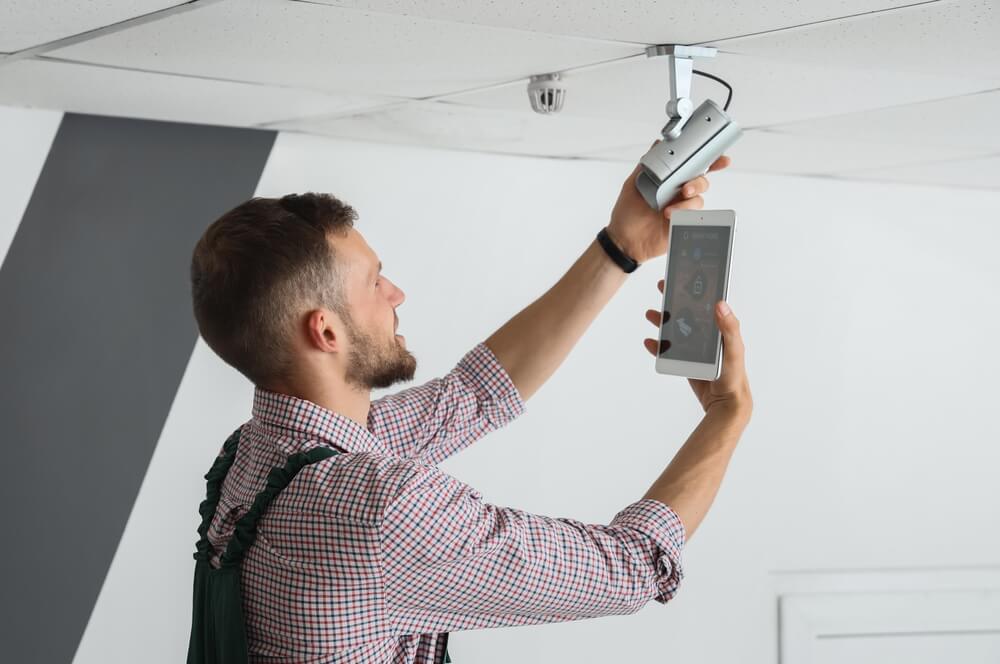
A professional risk assessment is the foundation of every effective protection plan. Most property owners lack the training to spot every vulnerability on their own, which is why working with a qualified and licensed team makes a measurable difference.
Request a professional site assessment
A trained technician starts at the perimeter and works inward, evaluating every door, window, loading dock, fire escape, and ground-level access point. They will flag areas that sit out of view from the street or neighboring properties. These hidden zones are where unauthorized entry is most likely to happen, and they are easy to miss without a practiced eye.
In multi-unit buildings, a professional assessment also covers shared walls, rooftop access, and underground-level entries. These are spots most owners walk past daily without recognizing the risk. A thorough protection plan should account for all of them.
Share your incident history
If your building has experienced past break-ins, vandalism, or unauthorized access, bring those records to the consultation. A qualified provider can identify patterns in that history and factor them into the final design. Input from tenants, employees, or neighbors about recurring concerns adds another layer of useful context.
Understanding the fundamentals of controlled-entry protection helps you ask better questions during this review and evaluate the recommendations you receive.
Ask about after-hours coverage
Most property crimes happen outside business hours or while a home sits empty. A good provider will identify which zones lose coverage during those windows and recommend solutions like motion-triggered lighting, timed alarm schedules, and remote camera access.
Make sure the assessment covers transitional zones like delivery areas, parking entrances, and shared hallways. A security entry system at each of these access points ensures that after-hours activity is logged even when no one is on site. These are common blind spots that a professional will catch, but a self-guided walkthrough often misses.
What features matter most in a security system?
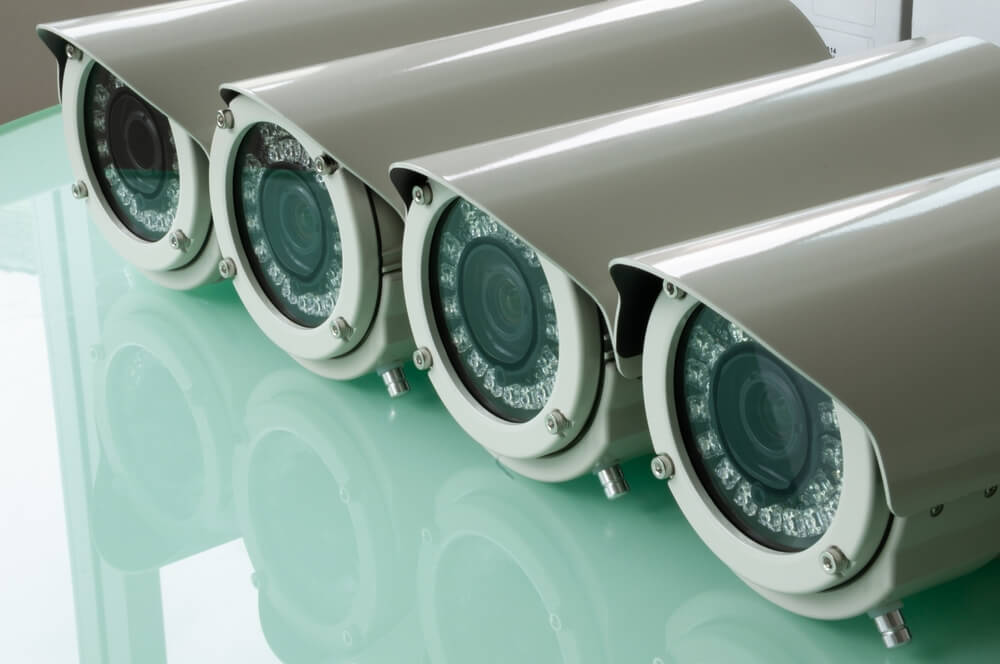
The best setup is one that covers detection, deterrence, and response in a single package. Features should work together rather than operate as disconnected pieces. Here are the capabilities worth prioritizing:
- High-definition video surveillance: Look for cameras with at least 1080p resolution, night vision, and wide-angle coverage. Cloud or local storage options let you review footage from anywhere.
- Smart access control: Keycard, fob, or mobile-based entry restricts access to authorized individuals. A reliable security entry system logs every entry and exit automatically.
- Intrusion detection: Door and window sensors, glass-break detectors, and motion sensors form the first line of defense against unauthorized entry.
- Real-time alerts: Push notifications to your phone or email the moment a sensor triggers give you immediate awareness, wherever you are.
- Remote monitoring: The ability to view live feeds, arm or disarm alarms, and manage locks from a mobile app puts full control in your hands at all times.
- System integration: Platforms built around security system integration let you manage every component from one interface instead of juggling separate apps for cameras, locks, and alarms.
Why connected features outperform standalone tools
Individual cameras or alarms have value on their own, but they perform far better as part of a connected network. When an intrusion sensor triggers, a connected system can simultaneously record video, lock adjacent doors, and push an alert to your phone. Standalone tools simply cannot coordinate that kind of layered response.
How do I know if a security system is too basic for my needs?
A setup that once felt adequate can fall behind as your property or operations evolve. Recognizing the signs early prevents you from discovering coverage gaps after an incident. Watch for these indicators:
- Your cameras record in low resolution, making it hard to identify faces or license plates during playback.
- Entry points like side doors, basement windows, or fire escapes sit completely unmonitored.
- You have no way to arm, disarm, or check your system remotely.
- Your alarms only sound locally with no push notification sent to your phone.
- Different components run on separate apps with no connection between them.
- Firmware has not been updated in over a year, and no maintenance plan exists.
When to consider an upgrade
If three or more of those signs apply, your current setup likely has meaningful coverage gaps. Security system installation has advanced rapidly over the past several years. Equipment from even a short time ago may lack the sensor range, resolution, or connectivity that current threats demand.
The best approach is to request a professional site assessment. A qualified team will compare your existing equipment against your property’s current risk profile and recommend targeted upgrades rather than a full replacement unless one is truly necessary.
Who provides top-grade security systems in New York?
Choosing the right system is only half the equation. The team behind the installation makes all the difference. ADR Security is a second-generation operation with over 80 years of combined industry knowledge and a client roster that includes industry-leading names such as McDonald’s and Columbia University.
Our crew works with trusted brands to deliver a security system installation built around how your property actually operates. Every project is designed with full security system integration in mind, so your cameras, alarms, and access control function as one connected platform.
Whether your building is a block away from Central Park or deep in the outer boroughs, get in touch with us today for a site assessment designed around your layout and risk profile.


