
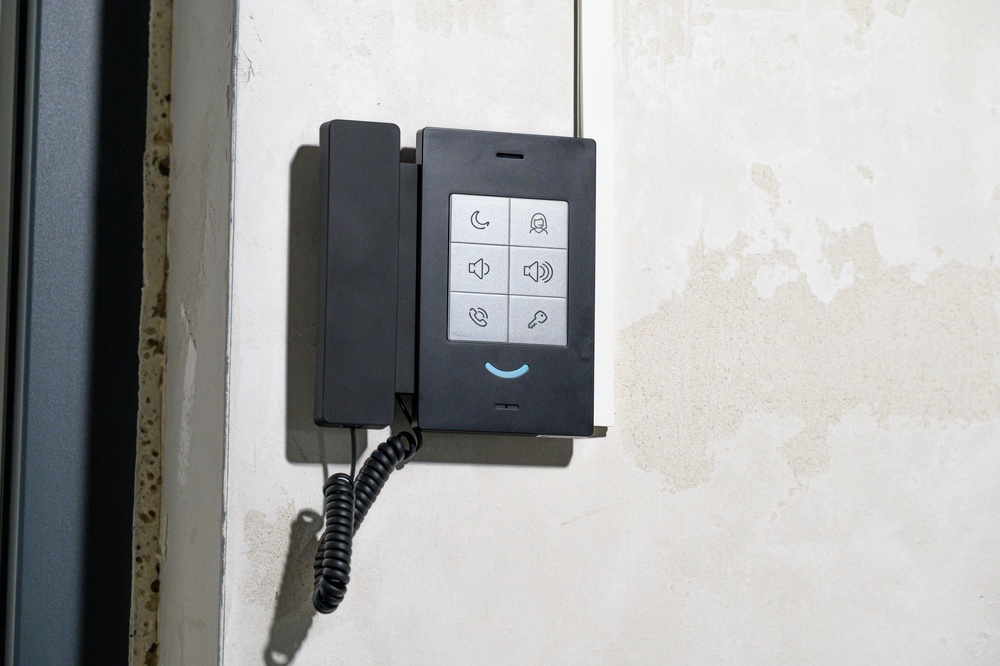
Key Takeaways
- Match the hardware to your gates, docks, and daily traffic before purchasing anything.
- Video options let staff see a caller, not just hear one, before releasing a door.
- Cover every point where people or deliveries cross from outside into the building.
- Screening callers at the entrance stops strangers from slipping in behind a truck.
- Wired setups hold up better than wireless across large, metal-heavy floors.
Storage theft rarely begins with a broken lock. More often it begins with an open gate and a confident stranger who looks like they belong. Once someone is inside, stopping them gets far harder and more expensive, which is why the smartest place to intervene is the entrance itself. A commercial intercom system in NYC gives staff something a passive gate cannot: a way to hear a visitor, see who is at the door on video, and decide before anything opens.
In a high-volume environment where dozens of trucks cycle through a loading dock daily, having that specific screening capability determines whether your facility remains secure or entirely vulnerable. In this guide, we’ll walk through how to choose the right system for your facility, from features and placement to the differences between wired and wireless.
How do you choose an intercom system for a warehouse?
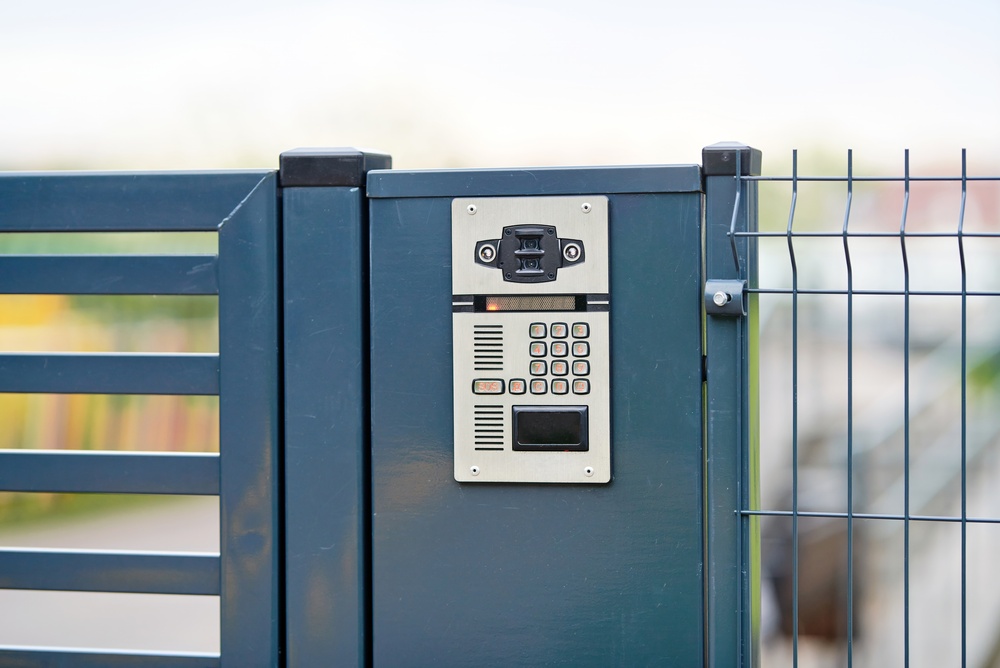
You choose by matching the hardware to your building’s layout, traffic, and weak points, not by picking a model from a catalog. The right specification grows out of how your site actually operates. Walk the floor first and work through a short sequence.
Start with the entry points & traffic
Count every gate, dock door, and side entrance that opens to the outside, since each is a candidate for a panel. Then weigh the volume that moves through them. A site handling dozens of deliveries a day needs hardware rated for constant use, whereas a smaller operation can run lighter equipment. The layout and the traffic together set the baseline for what the building requires.
Match the technology to the site
Decide between audio and video next, keeping in mind that a camera-equipped unit lets staff confirm a visitor’s identity, which matters far more at a remote gate than a staffed desk. Long cable runs and thick walls also shape what will perform reliably across a large floor. A door entry intercom system for warehouses should reflect these conditions rather than a generic template, and a walkthrough is what surfaces them.
If you are weighing which configuration suits your building, a professional intercom installation service can spec it around your exact layout.
Where should intercoms be installed in a warehouse?
A panel should cover every point where a person or vehicle can cross from outside to inside. The locations teams overlook are usually the ones that get exploited, so a commercial intercom system works best when it covers each threshold rather than only the obvious front gate.
The high-traffic thresholds
The main vehicle gate comes first, since it is where trucks queue and where an unscreened driver, or someone posing as one, makes initial contact. A panel here lets staff verify a delivery before the barrier lifts. Loading docks follow close behind. Even when a bay door stands open for a scheduled drop, an entry panel allows a worker to challenge anyone approaching on foot without a clear reason to be there.
The overlooked thresholds
Pedestrian and side entrances carry the quieter risk. These smaller doors often sit away from the main flow, unwatched, and a propped one becomes an open invitation. A unit on each keeps them sealed to anyone without clearance. Internal thresholds to sensitive areas, such as a stockroom cage or a records office, warrant their own panels.
That screening proves most effective when it works with the cameras trained on those same corners, providing security teams with both a direct channel to callers and a clear visual of the surrounding lot. For entrances no one can watch in person, a remote team that verifies visitors in real time keeps those doors covered around the clock.
What features should a warehouse intercom system have?
Capable hardware combines clear two-way audio, a sharp camera, and reliable remote door release. Anything less undercuts the entire purpose. The specifications below separate a functional installation from a frustrating one.
- Video with low-light clarity. A visitor should be identifiable in a dark lot at 3 a.m., not only in daylight.
- Remote release. Staff should open a gate from an office or a mobile device without walking to it.
- Weather and tamper resistance. Outdoor panels must endure rain, cold, and the occasional impact, so build quality matters.
- Integration. Strong hardware ties into your other safeguards rather than operating in isolation.
- Reliable call routing. A call should reach whoever is on duty, wherever they are, so no visitor waits at an unanswered panel.
Call routing deserves particular weight. A warehouse intercom system installation delivers value only when a live person answers and can act, whether that means admitting a driver or turning them away. Connecting the entry hardware to monitored alarms that flag a forced door extends that protection after hours, when no one is on site to respond in person.
Can intercoms help prevent unauthorized access?
Screening visitors at the entry is precisely the job these units perform. They address one of the most common ways intruders get inside a facility: following a person or vehicle through an open gate or unwatched door. Requiring every visitor to identify themselves before anything unlocks converts an open building into a controlled one.
How the screening deters intruders
The deterrent operates on several levels at once:
- A caller must state their business, which discourages anyone hoping to pass unnoticed.
- Staff get a face and voice to assess before releasing a latch, so a convincing uniform no longer guarantees entry.
- Each release reflects a deliberate decision rather than a door left ajar out of habit.
A door entry intercom system for warehouses is most valuable at the moment an intruder expects a building to be careless. That is why it belongs at the front of any layered defense. A screened gate then hands off to the controlled locks and access records that govern who reaches each zone deeper inside.
What type of intercom is best for industrial buildings?
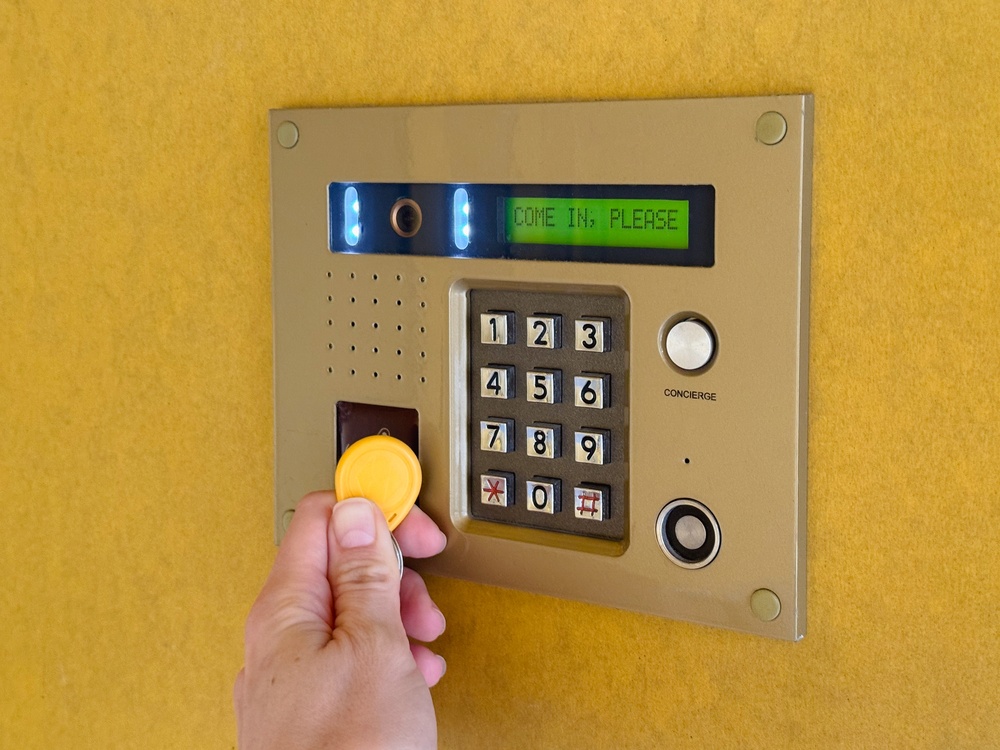
For most warehouses and industrial sites, a wired video unit is the strongest option, though the ideal choice still depends on the building. Large floors packed with steel racking interfere with wireless signals, and a dropped connection at the gate defeats the entire system. A hardwired configuration avoids that by carrying steady audio and clear video regardless of how much metal sits between the panel and the office.
The decision is not uniform across every site, however.
- Wired video suits permanent facilities where reliability outranks every other factor, which describes most owned buildings.
- Wireless intercoms have a place on leased sites or where running cable is impractical, provided the signal holds.
- IP-based units fit operations already running on a robust network that prefer to consolidate onto one backbone.
The common thread is that industrial environments punish weak links, so durability and clear sightlines matter more than secondary features. Commercial-grade panels are designed for that kind of daily use, while consumer gear tends to fail. A commercial intercom system built to that standard proves its worth by working through heavy traffic, harsh weather, and long overnight hours.
Who specializes in commercial intercom systems near me in NYC?
We have protected New York facilities since 2001. As a second-generation company with more than 80 years of combined experience, we bring in-depth expertise to every entrance we keep safe. That track record is why high-profile clients such as McDonald’s, Columbia University, and others rely on us to secure their entrances.
Whether your facility sits in the industrial corridors of Maspeth or anywhere across the five boroughs, our licensed technicians will assess your site, identify the weak points, and complete a warehouse intercom system installation backed by warranties and support that continue long after the job is done. Reach out today!


