
Key Takeaways
- Standalone devices work in isolation and cannot share data or coordinate responses
- Integrated setups trigger alarms, cameras, and locks simultaneously from one platform
- One provider and one contract lower long-term maintenance costs significantly
- Monitoring teams verify threats faster with unified video, sensor, and access data
- Automated rules let integrated setups respond to incidents without human input
A standalone camera captures footage. A standalone alarm sounds when a sensor trips. But neither one knows what the other is doing. That disconnect is the weak point in most traditional setups, and it is the exact problem that properly designed security system integration in NYC is built to solve.
Connecting every layer of your protection under one platform eliminates the communication gaps that standalone tools leave behind. This guide breaks down how unified and standalone setups compare, what integration actually includes, and why the difference matters more than most property owners expect.
What is the difference between integrated and standalone security systems?
A standalone setup operates independently. A unified setup connects every component into a single, coordinated platform. That distinction affects everything from how quickly threats are detected to how effectively they are handled.
How standalone setups operate
A standalone alarm sounds when a door sensor trips. A standalone camera records footage on its own loop. A standalone lock controls access at one entry point. Each device does its job in isolation, and none of them share information with the others.
That means if a camera captures someone tampering with a door, the alarm has no way of knowing. If an alarm triggers, the cameras do not automatically adjust to record the affected zone. Every response depends on a person noticing the alert and manually checking each device, one at a time.
In most cases, the disconnect starts at the security system installation, when technicians set up each device independently with no shared infrastructure.
How integrated security systems operate
An integrated platform connects every device to one control panel and one management interface. When a sensor trips, the setup can simultaneously trigger an alarm, redirect cameras to the affected zone, lock adjacent doors, and send a real-time alert to your phone or a monitoring center.
That coordinated response is only possible when every component communicates through the same network. It removes the manual steps that slow down standalone setups and replaces them with automated, rules-based actions that happen in seconds.
Owners who understand how each component functions within a protection setup are better equipped to see exactly where standalone tools fall short.
Are integrated security systems worth it?
For most commercial and multi-unit residential properties, the answer is yes. The upfront cost of a unified security system installation runs higher than piecing together individual devices, but the long-term benefits consistently outweigh the difference.
Faster incident response
When every device communicates through one platform, response times shrink. A standalone alarm may sound for several minutes before anyone opens a separate camera app to check the feed. A unified setup delivers video, sensor data, and access logs to a monitoring team within seconds of the initial trigger.
Lower long-term maintenance costs
Managing multiple vendors, apps, and service contracts for separate devices adds up quickly. An Integrated system from one provider means one support contract, one point of contact for troubleshooting, and one team responsible for keeping everything running. That simplicity translates into lower costs and fewer coordination headaches over time.
Fewer coverage gaps
Standalone tools leave blind spots in the spaces between devices. Integrated security systems eliminate those gaps by linking every sensor, camera, lock, and alarm into one network. When one device detects a threat, the rest of the platform responds automatically without waiting for manual input. Every door, gate, and access point ties back to one security entry system that tracks activity across the entire property.
Centralized control
A single dashboard gives you full visibility across your entire property. You can arm and disarm zones, review camera feeds, manage your security system across every door, and pull activity reports from one interface. That level of oversight is simply not possible when setups run on separate, disconnected platforms.
Scalability
A centralized platform makes it easier to add components as your needs grow. Whether you expand to a second floor, add a parking structure, or install a system at a new tenant wing, the setup accommodates those changes without requiring a full redesign. Standalone setups typically mean starting from scratch with each new addition. With an integrated platform, one security system installation serves as the foundation for every future expansion.
What systems can be integrated into one security platform?
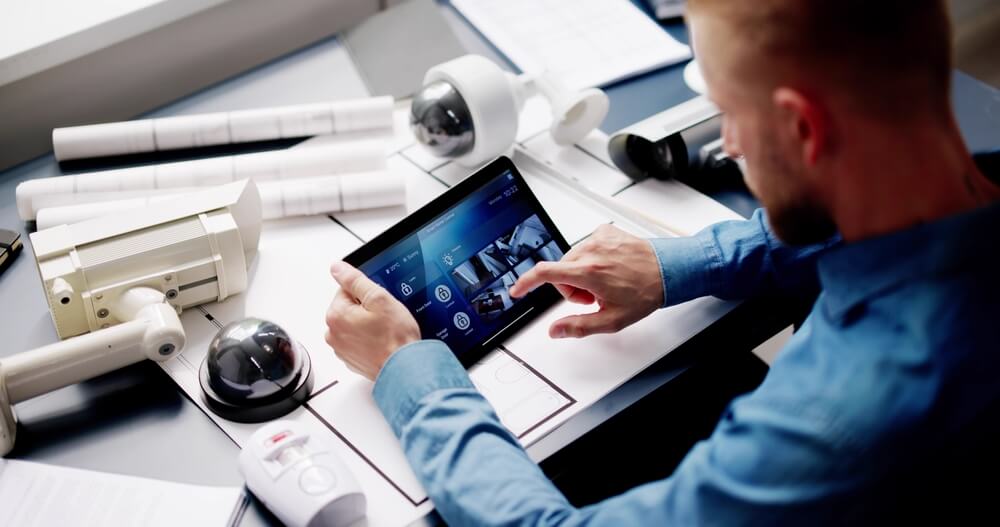
A well-designed integration plan brings a wide range of devices and services under one roof. Here are the components that work together on a unified platform:
- CCTV and IP cameras: Live video feeds, recorded footage, and motion-triggered alerts managed from one dashboard.
- Alarm systems: Intrusion alarms, panic buttons, and environmental sensors for smoke, flooding, and temperature changes, all connected to centralized monitoring.
- Access control: Keycard, fob, biometric, and mobile-based entry across every door and gate. A security entry system logs all activity automatically and syncs with camera footage for visual verification.
- Intercoms and remote doorman: Visitor verification and remote entry management without on-site staffing costs.
- Smart locks: Mobile-controlled locking synced with access control schedules and alarm states for seamless, automated entry management.
- Cloud monitoring and storage: Centralized data storage with remote access to footage, event logs, and full settings from any device.
Each of these components adds value on its own, but their combined effectiveness multiplies when they share data and respond as one infrastructure. The right provider designs your setup so that adding a new component later requires minimal effort and zero disruption to what is already running.
Choosing a system that matches your property’s specific needs before committing to hardware prevents costly mismatches and unnecessary spending down the road.
Is professional monitoring better with an integrated security system?
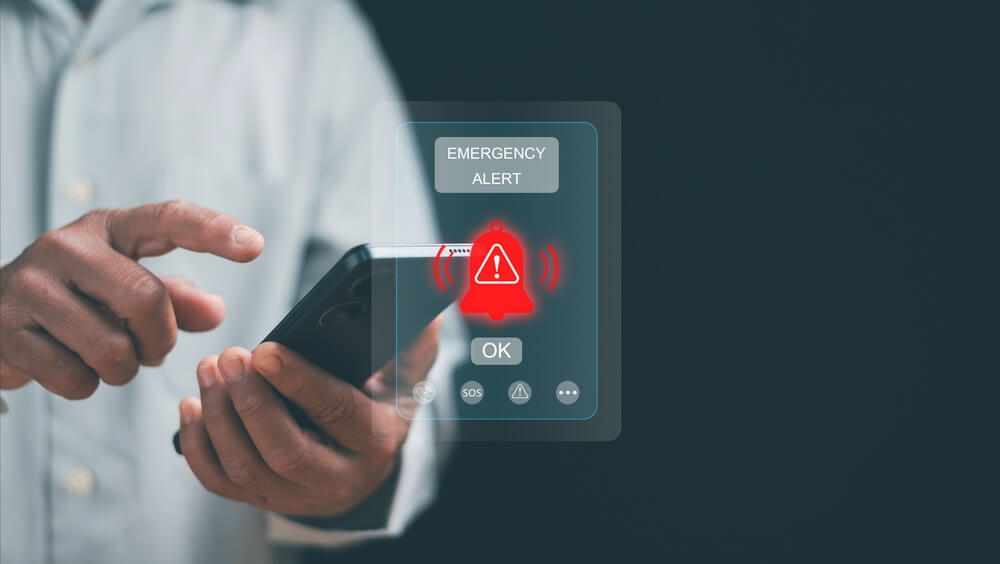
Professional monitoring improves dramatically when the monitoring team has access to unified data rather than fragmented alerts from disconnected devices.
What monitoring looks like with standalone setups
A monitoring center receives a single alarm trigger with limited context. The operator knows a sensor tripped but may not have camera access to verify the threat. That verification delay slows down emergency dispatch and increases false alarm rates, which can lead to fines in some municipalities.
What monitoring looks like with a unified platform
Integrated security systems send the monitoring center a complete picture: the alarm trigger, live camera footage of the affected zone, access log data showing recent entry activity, and the status of every nearby sensor. That context allows operators to verify threats faster, reduce false alarms significantly, and dispatch emergency services with accurate, actionable information.
Smarter automation
Integrated security systems support automated rules that standalone setups simply cannot replicate. For example, if an access reader registers an unauthorized badge swipe after hours, the system can automatically lock adjacent doors, activate nearby cameras, and alert the monitoring center without any human input.
That level of automation requires a security system installation that accounts for every device and builds the response rules into the platform from the start. Getting that right depends on how carefully you vet the team behind the work.
Who delivers end-to-end security system integration in NYC?
A truly integrated setup requires more than connecting devices to the same network. It takes a team that understands how each component should communicate, respond, and report as one platform.
ADR Security is a certified and licensed provider that has delivered reliable protection setups across various industries, including security systems for construction, healthcare, retail, hospitality, as well as a wide array of residential properties. As a Diamond Dealer for Comelit and a trusted partner of Brivo, Feenics, DMP, and Hanwha, our team builds on proven hardware designed to scale with your property.
Whether your property is a block away from the Empire State Building or elsewhere in the city, reach out today and let us build a setup that leaves nothing to chance.


